
Whether you’re planning your first storefront sign or managing a nationwide rollout, we’ve answered the questions we hear most. The commercial signage questions FAQ, lets use browse by category or scroll through at your own pace. If something isn’t covered here, our team is a phone call away.
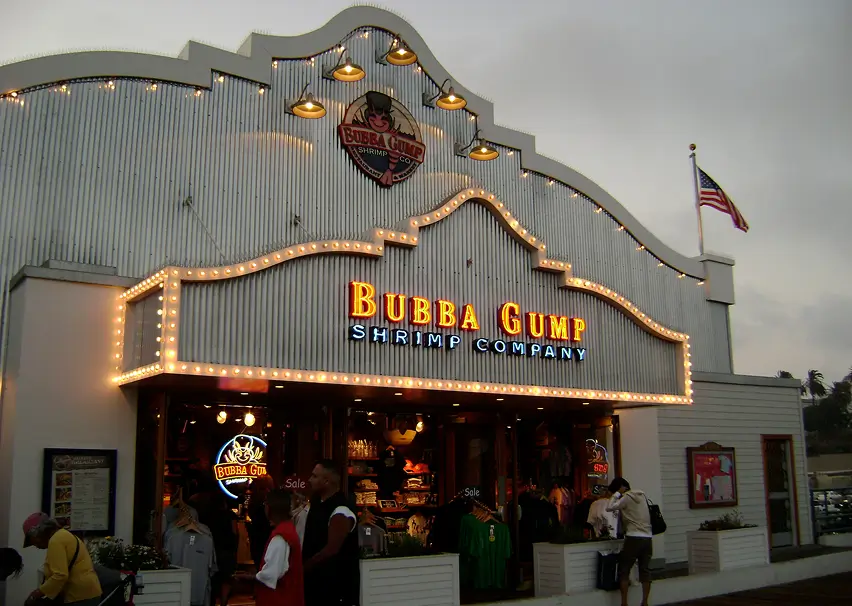
Professional sign installation includes site survey, structural analysis, electrical planning, permitting, fabrication, and final mounting. Installers assess wall composition, wind load requirements, and local code compliance before any work begins. Most commercial installations require licensed electricians for illuminated signs and certified riggers for elevated placements. A dedicated project manager can coordinate scheduling to minimize disruption to your business operations.
Commercial sign installation timelines vary by complexity. A simple wall-mounted sign may take a single day, while large channel letter installations or monument signs typically require 2 to 5 days of on-site work. The full process from design approval to completed installation usually spans 4 to 8 weeks when factoring in permitting, fabrication, and scheduling. Multi-location rollouts follow phased timelines coordinated across sites.
Yes, most municipalities require sign permits before installation. Permit requirements vary by city and county but generally cover sign size, height, illumination, placement, and setback from property lines. Integrated Signs & Fabrication can help manage permit applications and coordinate with local building departments. Some locations also require landlord approval, HOA review, or historic district compliance before a permit can be issued.
Sign installation costs depend on sign type, size, location, and complexity. Basic wall-mounted signs may cost $500 to $2,000 for installation alone, while large illuminated channel letter installations can range from $3,000 to $15,000 or more. Factors that increase cost include building height, crane requirements, electrical work, permit fees, and structural reinforcement. Always request an itemized quote that separates fabrication from installation labor.
Indoor sign installation focuses on wall substrate, ADA compliance, and aesthetic integration with interior design. Outdoor installation requires weather-resistant mounting hardware, waterproof electrical connections, wind load engineering, and UV-stable materials. Outdoor signs must meet stricter building codes and zoning regulations. Indoor installations are generally faster and less expensive since they avoid structural engineering and environmental exposure requirements.
Yes, existing signs can often be relocated, though it depends on the sign's condition and the new site's requirements. The process involves careful removal, assessment for damage, any necessary refurbishment, and reinstallation at the new location. New permits are typically required, and the mounting method may need to change based on the new building's structure. Relocation costs usually run 40 to 60 percent of a new sign's total price.
LED sign installation involves mounting an electronic display or illuminated sign and connecting it to a dedicated power supply. The process includes running conduit for wiring, installing a transformer or driver, mounting the display panel or LED channel letters, and programming any digital content. LED installations require licensed electrical work and must meet local energy codes. Most LED signs also need a remote access point for content management.
Channel letter signs are typically installed using one of two methods: individual stud mounting or raceway mounting. Stud mounting attaches each letter directly to the building facade using threaded rods, creating a floating effect. Raceway mounting secures letters to a rectangular metal box that houses the wiring, which is then mounted to the wall. The choice depends on building construction, aesthetic preference, and local code requirements.
Sign installations use various crane types depending on sign weight, building height, and site access. Boom trucks handle most standard installations up to 100 feet. All-terrain cranes serve tighter job sites with heavier loads. For high-rise installations, tower cranes or building-mounted davits may be required. Crane selection depends on lift capacity needs, reach requirements, ground conditions, and available staging area. Crane rental adds $1,000 to $5,000 per day to project costs.
A retail store typically needs exterior storefront signs, window graphics, point-of-purchase displays, directional signage, department identification, promotional sign holders, and ADA-compliant restroom and exit signs. Multi-level stores also benefit from wayfinding signage and floor directories. The specific sign package depends on store size, layout, brand guidelines, and local signage regulations.
Point-of-purchase signage is placed near checkout areas or product displays to influence buying decisions. These signs include counter displays, shelf talkers, end cap graphics, hanging banners, and floor decals. Effective POP signage highlights promotions, new products, or seasonal offers. Materials range from temporary corrugated displays to permanent acrylic fixtures depending on the campaign duration and budget.
Retail storefront signage costs range from $2,000 for basic illuminated box signs to $25,000 or more for custom channel letter packages with monument signs. A typical mid-range storefront channel letter sign runs $5,000 to $12,000 including design, fabrication, permitting, and installation. Budget an additional 15 to 20 percent for electrical work and permits.
The most durable outdoor retail sign materials include aluminum for channel letters and cabinet signs, acrylic for illuminated faces, HDU (high-density urethane) for dimensional carved signs, and polycarbonate for vandal-resistant applications. Stainless steel works well for upscale branding, while dibond (aluminum composite) is ideal for flat panel signs. All outdoor materials should be UV-resistant and rated for your local climate conditions.
Strategic signage improves foot traffic by increasing visibility from roadways and sidewalks, communicating current promotions, and creating a professional brand impression that builds trust. Illuminated signs extend your visibility to evening hours. A-frame sidewalk signs capture pedestrian attention, while window graphics showcase products to passersby. Studies show that 76 percent of consumers have entered a store they had never visited before based solely on its signage.
Blade signs are projecting signs mounted perpendicular to a building facade, making them visible to pedestrian and vehicle traffic from both directions along a street. They are ideal for retail stores in walkable districts, downtown areas, or multi-tenant buildings where flat-mounted signs have limited visibility. Blade signs come in illuminated and non-illuminated options and typically range from 2 to 6 square feet in size.
Exterior identity signs should last 7 to 10 years before refreshing, while interior promotional signage should be updated seasonally or with each campaign cycle. Window graphics and point-of-purchase displays benefit from monthly or quarterly updates to keep the store looking current. Budget 10 to 15 percent of your initial signage investment annually for updates and maintenance.
A restaurant typically needs an exterior identity sign, a menu board (interior or drive-through), window graphics, ADA-compliant restroom signs, directional signs for parking and entrances, and regulatory signs for health codes and occupancy limits. Many restaurants also benefit from illuminated signs for evening visibility, A-frame sidewalk signs for foot traffic, and branded interior wall graphics to reinforce the dining atmosphere.
Custom restaurant signs range from $1,500 for a basic illuminated cabinet sign to $30,000 or more for elaborate channel letter installations with decorative elements. A mid-range exterior channel letter sign typically costs $5,000 to $15,000. Additional signage like menu boards ($500 to $3,000), A-frame signs ($200 to $800), and window graphics ($300 to $1,500) should be factored into the total signage budget.
Coffee shops benefit from warm, inviting signage including dimensional wood or metal storefront signs, chalkboard-style menu boards, illuminated window signs, A-frame sidewalk signs, and branded wall murals. Halo-lit or edge-lit acrylic signs create a modern, approachable aesthetic. For drive-through locations, digital menu boards and pre-sell panels improve order efficiency and average ticket size.
Yes, restaurants must comply with ADA signage requirements for restrooms, exits, accessible entrances, and any permanent rooms or spaces. ADA signs require specific tactile lettering, Grade 2 Braille, non-glare finishes, and proper mounting heights (48 to 60 inches to the center of the sign on the latch side of doors). Failure to comply can result in fines and legal liability under the Americans with Disabilities Act.
Drive-through restaurants need a coordinated sign system including a pre-sell board, digital or static menu board, order confirmation display, directional arrows and lane markings, and height clearance signs. Digital menu boards allow quick price updates and daypart-specific menus. Pre-sell boards positioned before the menu increase order speed and average check size. All drive-through signs should be illuminated and weather-rated for year-round operation.
Outdoor restaurant signs built with commercial-grade materials withstand harsh weather when properly engineered. Aluminum channel letters, polycarbonate sign faces, and marine-grade stainless steel hardware resist corrosion, UV degradation, and impact. Signs in hurricane-prone or high-wind areas require additional structural engineering and wind load calculations. Regular maintenance including electrical inspections and hardware tightening extends sign lifespan significantly.
Permanent menu boards mounted on walls must meet ADA requirements if they serve as permanent room identification. However, most menu boards are classified as informational signage and are exempt from tactile and Braille requirements. Drive-through menu boards are exempt from ADA since they are not accessed by pedestrians. Restaurants must still ensure menu board placement does not obstruct accessible routes and that pricing information is available in accessible formats upon request.
Wayfinding signage is a coordinated system of signs, maps, and visual cues that help people navigate through complex environments like hospitals, campuses, airports, corporate offices, and mixed-use developments. An effective wayfinding system includes identification signs (marking locations), directional signs (pointing the way), informational signs (maps and directories), and regulatory signs (safety and accessibility). Good wayfinding reduces confusion, improves visitor satisfaction, and supports ADA compliance.
Wayfinding design begins with a thorough site analysis of pedestrian and vehicle circulation patterns, decision points, and destination hierarchy. Designers then create a sign location plan, develop a naming and numbering convention, establish a visual language with consistent typography and color coding, and specify sign types for each location. The process involves architectural review, ADA compliance checks, and user testing before fabrication.
Wayfinding signage systems typically cost $50,000 to $500,000 or more depending on facility size, number of signs, materials, and complexity. A mid-size office campus might spend $75,000 to $150,000 on a complete wayfinding package. Individual directional signs range from $200 to $2,000 each, while large directories and map kiosks run $5,000 to $20,000. Digital wayfinding solutions add technology infrastructure costs but offer easier updates.
Directional signage is one component within a broader wayfinding system. Directional signs specifically point people toward destinations using arrows and text. A complete wayfinding system also includes identification signs that label locations, informational signs like maps and directories, and regulatory signs for safety and compliance. Wayfinding also encompasses environmental design elements like color coding, lighting, and architectural cues that guide movement intuitively.
Hospital wayfinding reduces patient and visitor stress by providing clear navigation through complex, unfamiliar environments. Effective systems include color-coded departments, multilingual signage, overhead directional signs, floor directories, and digital kiosks. Studies show that poor hospital wayfinding leads to missed appointments, late arrivals, and increased staff time spent giving directions. A well-designed system improves patient satisfaction scores and operational efficiency.
Digital wayfinding uses interactive touchscreen kiosks, mobile apps, or digital displays to guide people through complex environments. Users can search for destinations, view turn-by-turn directions, and access real-time information like wait times or event schedules. Digital systems integrate with building management platforms and can be updated instantly when spaces change. They complement rather than replace static ADA-compliant signage.
Channel letters are three-dimensional individually fabricated letters commonly used for storefront and building identification. Each letter is constructed from an aluminum back, aluminum or stainless steel returns (sides), and an acrylic face. They are typically illuminated using LEDs and can be front-lit, back-lit (halo), or a combination. Channel letters offer excellent visibility, durability, and a professional appearance that flat signs cannot match.
Front-lit channel letters have translucent acrylic faces that glow when interior LEDs illuminate, projecting light forward for maximum readability. Halo-lit (also called reverse-lit or back-lit) channel letters have opaque faces and open or translucent backs, casting a soft glow behind each letter against the wall. Halo-lit letters create an upscale, modern appearance and work well for corporate and hospitality applications.
Well-manufactured channel letter signs last 10 to 15 years or more with proper maintenance. LED illumination modules typically carry 5-year warranties and can operate 50,000 to 100,000 hours before significant brightness reduction. Aluminum construction resists rust and corrosion. The most common maintenance needs are LED module replacement, face cleaning, and periodic electrical inspections.
Channel letter fabrication involves cutting aluminum sheet for letter backs, bending aluminum coil into the letter returns (sides) using a channel letter bending machine, welding the returns to the backs, painting or coating all surfaces, installing LED modules and wiring inside each letter, and attaching translucent acrylic faces. Modern fabrication uses CNC routers and automated bending equipment for precision and consistency.
Channel letter signs typically cost $50 to $150 per linear inch of the longest letter, depending on height, depth, illumination type, and finish. A standard 24-inch tall, front-lit channel letter set spelling a typical business name costs $4,000 to $8,000. Halo-lit and combination-lit options cost 20 to 30 percent more. Pricing includes design, fabrication, and basic mounting hardware but usually excludes installation and permits.
Commercial lighted signs include LED channel letters, illuminated cabinet signs, LED message centers, backlit monument signs, neon signs, edge-lit acrylic panels, and internally illuminated pylons. LED technology has become the industry standard due to its energy efficiency, longevity, and brightness. Each type serves different visibility needs based on viewing distance, building architecture, and local sign codes.
LED signs consume 50 to 70 percent less electricity than equivalent neon signs. A typical LED channel letter set for a retail storefront uses 100 to 300 watts, while a comparable neon installation would draw 400 to 1,000 watts. LED signs also generate less heat, require less maintenance, and last significantly longer. The energy savings alone often justify upgrading from older neon or fluorescent illumination.
Most commercial zones allow illuminated signs, but regulations vary significantly by municipality. Common restrictions include maximum brightness levels, prohibited animation or flashing effects, curfew hours for illumination, and limits on internally versus externally illuminated signs. Some residential-adjacent commercial zones and historic districts have additional restrictions. Always verify local ordinances before specifying illuminated signage.
Hospitals require a comprehensive signage system including exterior building identification, emergency entrance markers, parking and wayfinding directionals, department identification, room numbering, ADA-compliant regulatory signs, donor recognition displays, digital directories, and overhead directional signs. All signs must meet ADA, Joint Commission, and state health department requirements. The system must accommodate patients, visitors, staff, and emergency responders.
Hospital ADA signage must include tactile raised characters and Grade 2 Braille on all permanent room and space identification signs. Signs must have non-glare finishes, specific character height and spacing ratios, and high-contrast color combinations. Mounting requirements specify 48 to 60 inches to sign center on the latch side of doors. Overhead and directional signs have separate requirements for character height based on viewing distance.
Digital signage in hospitals enables real-time wayfinding updates, wait time displays, health education content, emergency alerts, and donor recognition. Digital directories can be updated instantly when departments relocate or new services launch. Interactive kiosks provide multilingual wayfinding assistance. Digital displays in waiting areas reduce perceived wait times and improve patient satisfaction. The technology also supports infection control by reducing physical touchpoints.
Hospital signage should be audited annually for accuracy, ADA compliance, and physical condition. Major updates are typically needed every 5 to 7 years to address wear, rebranding, departmental changes, and evolving code requirements. Digital signage content should be reviewed quarterly. Any time a department relocates, a new wing opens, or naming rights change, the affected signs must be updated immediately to maintain effective wayfinding.
Hospital interior signs should use durable, cleanable materials that support infection control protocols. Photopolymer and acrylic with subsurface graphics resist repeated cleaning with hospital-grade disinfectants. Aluminum substrates provide rigidity and longevity. Materials must also support ADA-compliant tactile text and Braille. Avoid porous materials, exposed wood, or fabric-wrapped signs in clinical areas where sanitization is critical.
Donor recognition signage honors financial contributors to hospital building campaigns, equipment purchases, or program endowments. These displays range from simple engraved plaques to elaborate illuminated walls with dimensional letters, etched glass panels, and digital displays that can be updated as new donors contribute. Effective donor recognition signage is both a thank-you to existing supporters and a motivator for future giving.
Businesses typically need lobby identification signs, suite and room number signs, ADA-compliant restroom and exit signs, directional wayfinding signs, conference room identifiers, and code-required safety signs. Additional options include dimensional wall logos, donor or recognition walls, digital directory boards, and branded environmental graphics.
Popular interior sign materials include brushed aluminum for a modern corporate look, acrylic for illuminated or layered dimensional effects, wood for warm professional environments, and photopolymer for ADA-compliant room signs. Frosted glass and etched metal work well for executive spaces. The best choice depends on your brand aesthetic, budget, durability needs, and whether the signs require ADA tactile elements.
Custom lobby signs range from $500 for simple dimensional letter sets to $15,000 or more for large-scale illuminated installations. A typical brushed aluminum or acrylic dimensional logo sign for a corporate lobby costs $1,500 to $5,000. Factors affecting price include size, material, illumination method, mounting complexity, and design intricacy. Backlit and halo-lit lobby signs command premium pricing due to additional electrical requirements.
Conference room signs identify meeting spaces and often integrate with room scheduling systems. Static ADA-compliant signs with tactile text and Braille are required for permanent rooms. Digital room signs add real-time availability indicators, booking integration with calendar platforms like Microsoft Teams or Google Calendar, and occupancy status. Well-designed conference room signage reduces scheduling confusion and improves space utilization.
Edge-lit signs use LEDs positioned along the edge of a clear acrylic panel to illuminate engraved or printed graphics from within, creating an elegant glowing effect. They are popular for corporate lobbies, reception areas, conference rooms, and upscale retail environments. Edge-lit signs provide a sleek, modern look with minimal depth and can display logos, text, or decorative patterns. They work best in controlled interior lighting environments.
A monument sign is a freestanding ground-level sign typically located at a property entrance or along a roadway frontage. Monument signs are built on a solid base of materials like stone, brick, stucco, or aluminum and usually stand 4 to 8 feet tall. They can be internally illuminated, externally illuminated, or non-illuminated. Monument signs convey permanence and professionalism and are common for corporate campuses, shopping centers, churches, and residential communities.
Monument signs typically cost $5,000 to $50,000 depending on size, materials, and illumination. A basic illuminated aluminum monument sign starts around $5,000 to $10,000. Mid-range signs with stone or brick bases and LED-illuminated channel letters run $15,000 to $30,000. Premium monument signs with custom masonry, multiple tenant panels, and digital components can exceed $50,000. Permit fees and foundation work add to the total investment.
Monument signs sit at or near ground level on a solid base, creating a low-profile, upscale appearance. Pylon signs are elevated on one or two poles, standing 15 to 40 feet tall for maximum highway or road visibility. Monument signs suit properties with slower traffic speeds and shorter setbacks, while pylon signs serve locations that need visibility from high-speed roads or across large parking areas.
Monument sign projects typically take 6 to 12 weeks from design approval to completed installation. This includes 2 to 4 weeks for permitting, 3 to 6 weeks for fabrication, and 2 to 5 days for foundation work and installation. Custom masonry bases, complex illumination, or multi-tenant configurations can extend the timeline. Permit processing times vary significantly by municipality and are often the longest variable.
Monument signs require concrete foundations engineered for the sign's weight, height, and local wind load requirements. A typical foundation includes reinforced concrete footings extending below the frost line, with embedded steel anchors or a steel framework. Foundation specifications vary by soil conditions and sign size but commonly measure 3 to 5 feet deep and 4 to 8 feet wide. An engineer must stamp the foundation design for permit approval in most jurisdictions.
LED illumination is the preferred lighting for monument signs due to energy efficiency, even light distribution, and long lifespan. Options include internally illuminated push-through letters, halo-lit channel letters mounted on the monument face, LED-lit sign cabinets within the structure, and ground-mounted landscape uplighting for non-illuminated signs. Solar-powered LED options work for locations without easy electrical access.
Corporate signage encompasses all branded visual elements that identify and represent a company across its physical locations. This includes exterior building identification, lobby logos, wayfinding systems, room signs, branded environmental graphics, and parking identification. Consistent corporate signage reinforces brand identity, improves employee wayfinding, creates professional first impressions for visitors, and ensures compliance with building codes and ADA requirements.
National brands maintain signage consistency through detailed brand standards documents that specify exact colors (Pantone matches), typography, logo proportions, illumination methods, and approved materials. A centralized sign program manager or national sign company coordinates fabrication, permitting, and installation across all locations. Standardized specifications ensure every sign meets brand guidelines regardless of local sign codes or building variations.
A corporate sign program is a comprehensive plan that standardizes signage across all company locations. It includes approved sign types and specifications, brand guidelines for fabrication, a location-by-location sign survey, permit coordination strategy, installation scheduling, and ongoing maintenance protocols. Programs typically serve companies with 10 or more locations and ensure consistent brand presentation while managing costs through volume fabrication.
Multi-location sign rebranding involves surveying all existing signs, designing new sign specifications that meet brand guidelines and local codes, phasing the rollout by priority markets, coordinating permits in each jurisdiction, fabricating signs in batches, and scheduling installations to minimize business disruption. A phased approach typically covers 20 to 50 locations per month. Night installations reduce customer impact for retail locations.
Branded environment design integrates a company's visual identity into the physical workspace through wall graphics, dimensional logos, themed conference rooms, cultural messaging, mission statement displays, and curated color palettes. It transforms generic office spaces into spaces that reinforce company culture, impress visitors, and boost employee engagement. The design process considers traffic flow, sight lines, photography opportunities, and long-term flexibility for updates.
Yes, most neon signs can be repaired regardless of age. Common repairs include replacing broken glass tubes, rewiring transformers, repairing mounting hardware, and replacing electrodes. Skilled neon technicians can match original glass colors and bend replacement tubes to match existing letter forms. For vintage or antique signs, repair is often preferable to replacement since the character and craftsmanship of original neon cannot be easily replicated.
Neon sign repair costs range from $100 to $200 for simple tube replacements to $1,000 or more for complex multi-tube restorations. Transformer replacement typically costs $200 to $500. A full restoration of a vintage multi-color neon sign can run $2,000 to $10,000 depending on size and complexity. Diagnostic assessments typically run $75 to $150 to evaluate the scope of repair before committing.
The decision depends on aesthetics, budget, and purpose. Neon produces a warm, distinctive glow that LED faux-neon cannot perfectly replicate, making repair ideal for vintage signs, bars, and retro-themed businesses. LED conversion reduces energy costs by 50 to 70 percent, eliminates glass breakage risk, and requires less maintenance. LED is the practical choice for most commercial applications, while neon restoration preserves character for specialty uses.
Search for sign companies that specifically list neon repair or restoration services, as not all sign shops work with neon. Look for technicians with glass bending experience and transformer knowledge. Ask for examples of previous neon repair work and verify they carry proper licensing for electrical sign work. National sign partners like Integrated Signs & Fabrication often maintain networks of neon specialists across major markets.
Sign permit coordination is the process of preparing and managing permit applications for sign installations across one or multiple jurisdictions. This includes researching local sign codes, preparing permit drawings, submitting applications to building departments, responding to plan check comments, scheduling inspections, and obtaining final approvals. Professional permit coordination helps prevent costly delays and code violations.
Sign permit timelines vary significantly by jurisdiction. Simple permits in smaller cities may be approved in 1 to 2 weeks. Major metropolitan areas like New York, Los Angeles, or Chicago can take 4 to 12 weeks or longer. Historic districts and planned developments often require additional review boards. Variance requests for oversized or non-conforming signs can add months to the process. Starting the permit process early is critical for project timelines.
Most sign permit applications require a completed application form, site plan showing sign location relative to property lines and buildings, sign elevation drawings with dimensions and materials, electrical specifications for illuminated signs, structural engineering calculations for large signs, property owner authorization, and the applicable permit fee. Some jurisdictions also require photos of the existing building and neighboring signs.
Installing a sign without required permits can result in fines ranging from $250 to $10,000 or more, mandatory sign removal at the owner's expense, liens on the property, and difficulty obtaining future permits. Unpermitted signs also create liability issues if they cause injury or property damage. Some jurisdictions issue daily fines until compliance is achieved. It is always more cost-effective to obtain proper permits before installation.
A sign variance is a formal exception to local sign code regulations, typically required when a proposed sign exceeds allowed size, height, or quantity limits, or requests a prohibited feature like animation or off-premise advertising. Obtaining a variance involves submitting an application to the local zoning board, demonstrating hardship or unique circumstances, attending a public hearing, and receiving board approval. The process can add 2 to 6 months to a project timeline.
Environmental graphic design (EGD) is the discipline of shaping physical spaces through the strategic use of graphics, signage, color, materials, and wayfinding to create cohesive brand experiences. EGD goes beyond traditional signage to integrate branded elements into architecture, creating immersive environments in lobbies, retail spaces, hospitals, campuses, and hospitality venues. It bridges the gap between architecture, interior design, and brand communication.
Regular signage identifies and directs. Environmental graphic design transforms entire spaces into branded experiences. While signage addresses specific functional needs like room identification or wayfinding, EGD considers the holistic visual environment including wall graphics, floor treatments, ceiling elements, material selections, lighting design, and spatial storytelling. EGD creates emotional connections between people and places that individual signs alone cannot achieve.
Corporate headquarters, healthcare facilities, educational campuses, hospitality venues, retail flagships, and mixed-use developments benefit most from EGD. These spaces have high visitor traffic, complex navigation needs, and strong brand identities to express. EGD transforms generic corridors into engaging journeys, blank lobbies into branded arrival experiences, and clinical environments into calming spaces that support well-being.
Environmental graphic design costs vary widely based on scope. A single branded feature wall might cost $5,000 to $15,000 for design and fabrication. A comprehensive EGD program for a corporate headquarters or healthcare facility typically ranges from $50,000 to $500,000 including design fees, fabrication, and installation. Design fees alone usually run 10 to 15 percent of the total fabrication and installation budget.
Specialty sign fabrication covers non-standard sign production requiring advanced techniques like CNC routing, precision metal bending, custom welding, casting, sculpting, or exotic material work. Examples include oversized dimensional logos, architectural sculptural elements, custom LED installations, backlit metal panels, and themed environmental pieces. Specialty fabrication requires experienced craftspeople and specialized equipment beyond standard channel letter and cabinet sign production.
Specialty fabrication uses a wide range of materials including stainless steel, brass, bronze, copper, cor-ten steel, cast aluminum, carved HDU foam, solid wood, stone, glass, carbon fiber, and composite panels. Material selection depends on the application's aesthetic requirements, environmental exposure, weight constraints, budget, and maintenance expectations. Many specialty projects combine multiple materials for unique visual effects.
Custom fabrication projects typically require 4 to 16 weeks depending on complexity, materials, and scope. Simple dimensional letter sets may take 4 to 6 weeks. Complex architectural elements, large sculptural installations, or projects requiring structural engineering can take 10 to 16 weeks or more. Timeline factors include material sourcing, custom finishing processes, engineering reviews, and the number of revision cycles during approval.
A signage consultation is a professional assessment of your property's sign needs, opportunities, and constraints. A consultant evaluates your building architecture, site visibility, local code allowances, brand standards, traffic patterns, and competitive environment. The deliverable is typically a signage master plan with recommended sign types, locations, sizes, materials, and budget estimates. Consultations prevent costly mistakes and maximize your signage investment.
A signage strategy ensures every sign works together as a coordinated system rather than a collection of unrelated elements. Strategic planning maximizes code-allowed signage, prioritizes high-impact locations, creates visual consistency across all touchpoints, phases investment over time, and prevents redundant or conflicting signs. Businesses with deliberate signage strategies report stronger brand recognition and better return on their signage investment.
A signage master plan includes a site analysis, sign code summary, sign type inventory with specifications, a location plan overlaid on architectural drawings, material and finish recommendations, illumination strategy, ADA compliance review, phasing and budget estimates, and maintenance guidelines. For multi-building properties, the plan also addresses tenant sign criteria and design review processes.
Choosing the right sign starts with understanding your goals: brand visibility, wayfinding, regulatory compliance, or promotional messaging. Consider your building's architecture, setback from roads, speed of passing traffic, and local sign code allowances. Evaluate sign types that fit your budget and brand aesthetic. A professional signage consultation can identify opportunities you might miss and prevent expensive mistakes. Prioritize your primary identity sign first, then layer in secondary and tertiary signage.
Signage project management is the end-to-end coordination of a sign program from initial concept through design, permitting, fabrication, installation, and closeout. A dedicated project manager serves as the single point of contact, managing timelines, budgets, vendor coordination, quality control, and client communication. Professional project management is essential for multi-sign, multi-location, or complex architectural signage projects.
A multi-location sign rollout begins with a master sign program that standardizes specifications across all sites. The rollout team conducts individual site surveys, prepares location-specific permit packages, fabricates signs in coordinated batches, and schedules installations in geographic waves to optimize installer travel. Progress tracking, quality documentation, and regular status reporting keep all stakeholders aligned. Typical rollouts cover 10 to 50 locations per month.
A typical signage project follows this timeline: design and approval (2 to 4 weeks), permitting (2 to 8 weeks depending on jurisdiction), fabrication (3 to 6 weeks), and installation (1 to 5 days on site). The total timeline for a single-location project is usually 8 to 16 weeks. Complex projects, multi-location rollouts, or sites requiring variances can extend to 6 months or longer.
Commercial signs should receive professional maintenance at least twice per year. Inspections should check electrical connections, LED module function, structural fasteners, weather sealing, and face panel condition. High-traffic retail signs and illuminated monuments may benefit from quarterly maintenance. Proactive maintenance extends sign life, prevents costly emergency repairs, and ensures your brand always looks its best.
A comprehensive sign maintenance program includes scheduled inspections, electrical testing, LED and transformer diagnostics, cleaning of sign faces and cabinets, hardware tightening, weather seal replacement, paint touch-up, landscape trimming around ground signs, and emergency repair response. Many programs also include photo documentation of each sign's condition and a prioritized repair recommendation list.
Annual sign maintenance costs typically range from $300 to $1,500 per sign depending on size, type, height, and access difficulty. Multi-sign properties can negotiate package rates. A typical maintenance contract for a retail location with a channel letter sign, monument sign, and directional signs runs $1,000 to $3,000 annually. Emergency repair calls outside a maintenance contract often cost $150 to $300 per hour plus materials.
The most common sign repairs include burned-out LED modules, damaged sign faces from weather or impact, loose mounting hardware, failed transformers or power supplies, faded paint or vinyl, corroded electrical connections, and broken neon tubes. Illuminated signs typically need electrical component replacement every 5 to 7 years. Catching small issues during routine maintenance prevents them from becoming expensive emergency repairs.
Commercial sign warranties typically cover 1 to 5 years depending on the manufacturer and components. LED modules often carry 5-year warranties, while aluminum cabinets and structural components may be warranted for 3 to 5 years. Paint finishes, electrical components, and acrylic faces usually carry 1 to 3 year warranties. Installation workmanship warranties are typically 1 year. Extended warranties and maintenance agreements are available from most full-service sign companies.
Franchise signage follows brand-mandated specifications established by the franchisor to ensure consistent presentation across all locations. A franchise sign program defines approved sign types, colors, materials, sizes, and illumination methods. Franchisees typically work with approved sign vendors who understand the brand standards. The franchisor may review and approve designs before fabrication to maintain brand integrity.
Franchises ensure consistency through detailed brand standards manuals, approved vendor lists, design approval workflows, and periodic audits of existing signage. National sign partners that specialize in franchise work maintain master files with approved specifications, streamline the reorder process, and provide centralized quality control. Digital asset management systems allow franchisors to distribute updated sign specifications instantly.
Most franchise agreements limit signage modifications to protect brand consistency. Any deviations typically require formal approval from the franchisor. Common approved modifications include size adjustments for local code compliance, material substitutions for environmental conditions, and layout changes for unusual building configurations. Unauthorized sign modifications can violate franchise agreements and result in penalties or required corrections.
Using a single sign company for multiple locations provides consistent quality, streamlined communication, volume pricing, centralized project management, and standardized brand execution. One vendor maintains master specifications, coordinates permits across jurisdictions, and provides a single point of accountability. Multi-location clients also benefit from lessons learned at each site being applied to subsequent installations, improving efficiency over time.
Multi-tenant signage management requires a tenant sign criteria document that defines allowed sign types, sizes, placement zones, illumination standards, and review processes. A property management team or sign coordinator reviews tenant designs against the criteria before approving fabrication. Shared elements like monument sign panels, directory boards, and wayfinding systems are maintained by the property owner to ensure consistent quality.
High-rise sign options include rooftop channel letters, building crown illumination, podium-level identity signs, parking garage graphics, lobby identification, and vertical banner systems. Rooftop and upper-floor signs require structural engineering, wind load analysis, and aviation clearance in some cases. LED technology has expanded options for high-rise signage, enabling energy-efficient illumination visible from miles away.
High-rise sign installation requires specialized rigging including swing stages, building maintenance units (BMUs), or crane access. Structural engineers verify that the building can support the sign's weight and wind load. Installation teams use fall protection systems and coordinate with building management to minimize disruption to tenants. Work often occurs during off-hours or weekends. Permits for high-rise signs typically require additional structural review.
High-rise sign codes address maximum sign area relative to building frontage, illumination intensity limits, placement restrictions near residential areas, structural load requirements, and electrical safety standards. Many cities also regulate rooftop sign height above the roofline and require FAA notification for signs on buildings over 200 feet. Wind load engineering must meet local building code requirements, which are more stringent at elevation.
Yes, Integrated Sign & Fabrication is headquartered in El Cajon, California, and serves the entire San Diego metropolitan area including downtown San Diego, La Jolla, Chula Vista, Oceanside, Escondido, and surrounding communities. Local presence means faster site surveys, shorter installation timelines, and easier ongoing maintenance. The team handles everything from single-location businesses to multi-site corporate clients throughout San Diego County.
Yes, a California-based full-service sign company like Integrated Signs & Fabrication can manage projects nationwide through established networks of certified installers, project managers, and permit coordinators. Integrated Sign & Fabrication regularly handles multi-location rollouts across multiple states, coordinating local permits, inspections, and installation crews in each market. National capability means consistent quality and brand standards regardless of location.
When selecting a sign company for New York projects, look for experience with NYC building codes, DOB permit processes, and landmark district regulations. New York has some of the most complex signage regulations in the country, including strict zoning rules in each borough. A national sign partner with New York experience can navigate these requirements while maintaining brand consistency across all your locations.
Look for a sign company with a proven portfolio in your industry, full-service capabilities from design through installation, in-house fabrication, licensed electricians, and strong permit coordination experience. Check references, ask about warranties, and confirm they carry adequate insurance. A signage partner that assigns a dedicated project manager ensures accountability and smooth communication throughout your project.
Yes, Integrated Sign & Fabrication manages signage projects nationwide and has completed installations across the United States. The company coordinates with local permit offices, building departments, and installation crews in every market. Multi-location clients benefit from a single point of contact for all locations, ensuring consistent brand execution, standardized quality, and streamlined project management regardless of geographic spread.
From the first permit to the final install, we’ll handle the signage so your brand shows up perfect, everywhere.