Structural Engineering • Wind Load Analysis • Crane Installation • Permitting & FAA Coordination
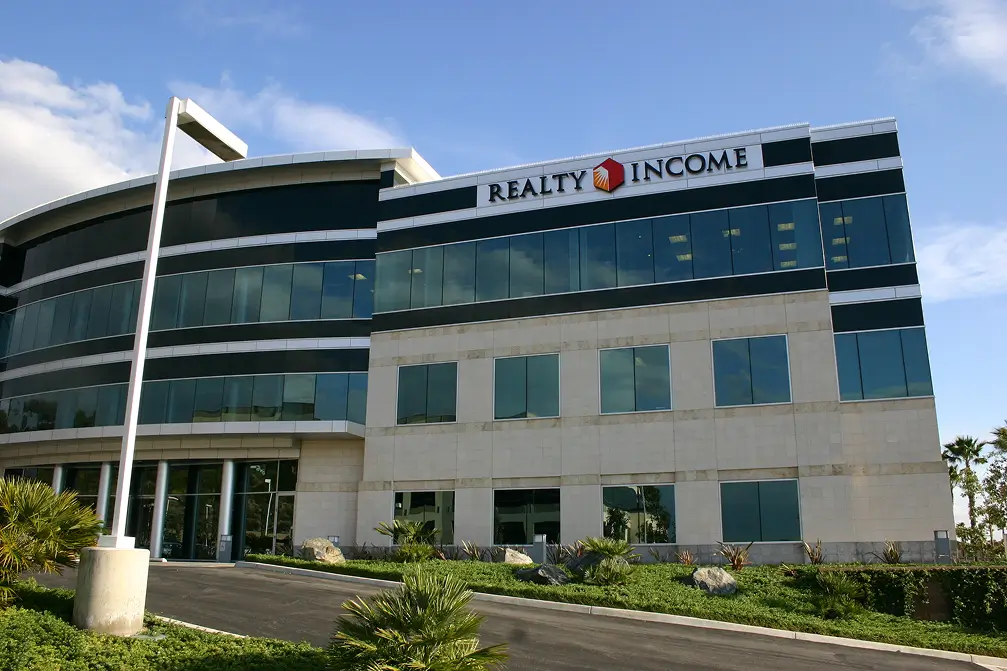
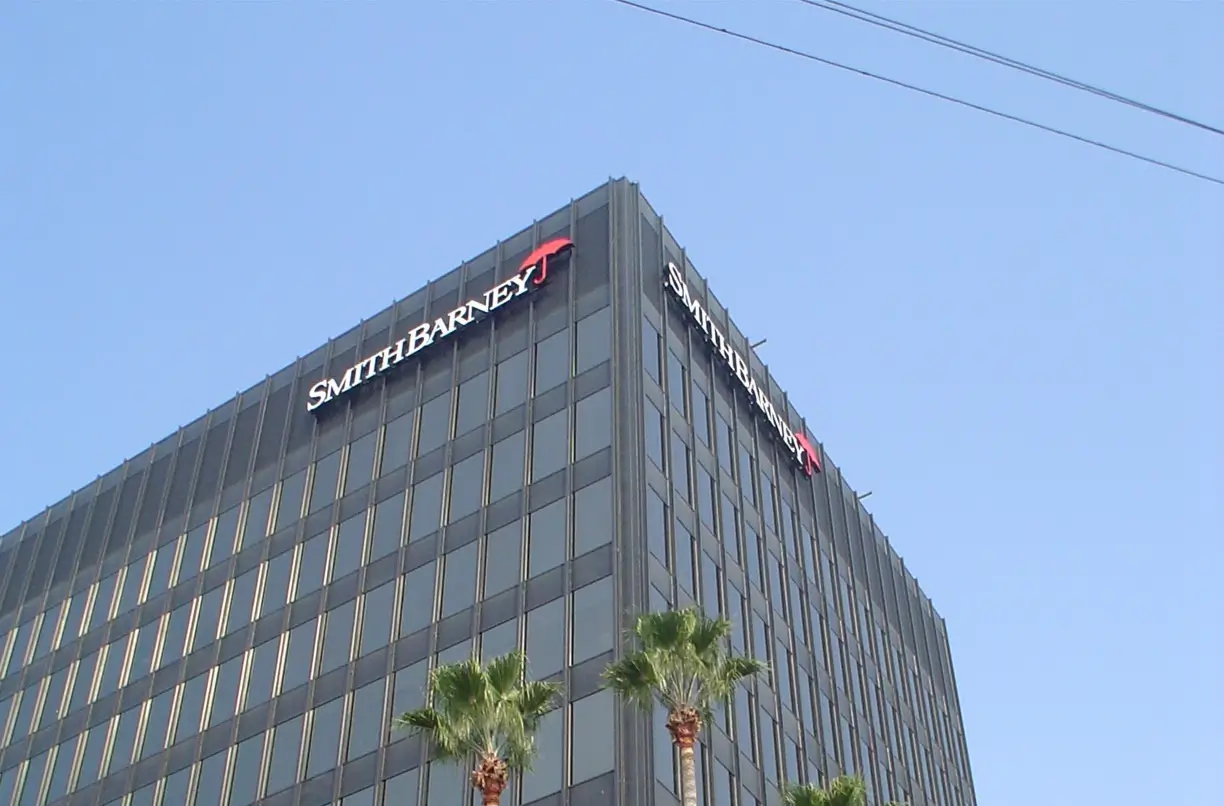
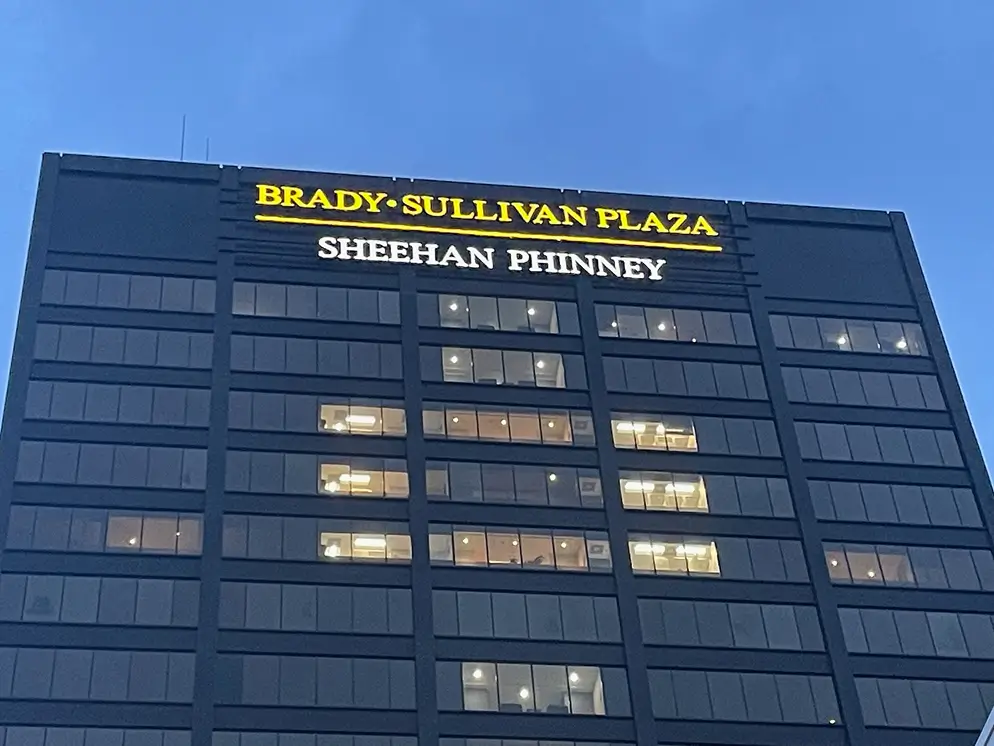
High rise building signs represent the most complex category of commercial signage. Installed hundreds of feet above grade,
these signs must withstand extreme wind forces, integrate with building structure, meet strict safety standards,
and be executed with precision logistics—including crane operations and aviation notifications.
Unlike storefront or monument signage, high rise signs are permanent architectural elements.
They require coordination between structural engineers, property owners, general contractors,
city officials, and installation crews experienced in working at height.
This page explains how high rise signs are engineered, fabricated, transported, and installed,
with specific attention to wind load, anchoring systems, crane logistics, and FAA notification requirements.
A real-world case study illustrates how these challenges are successfully managed on active buildings.
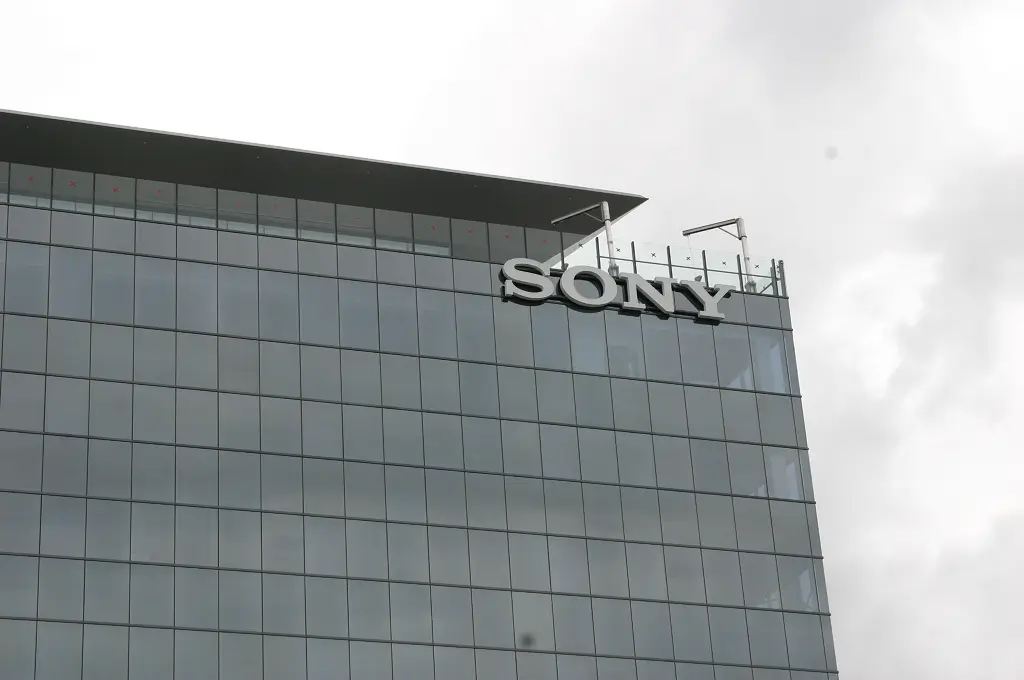
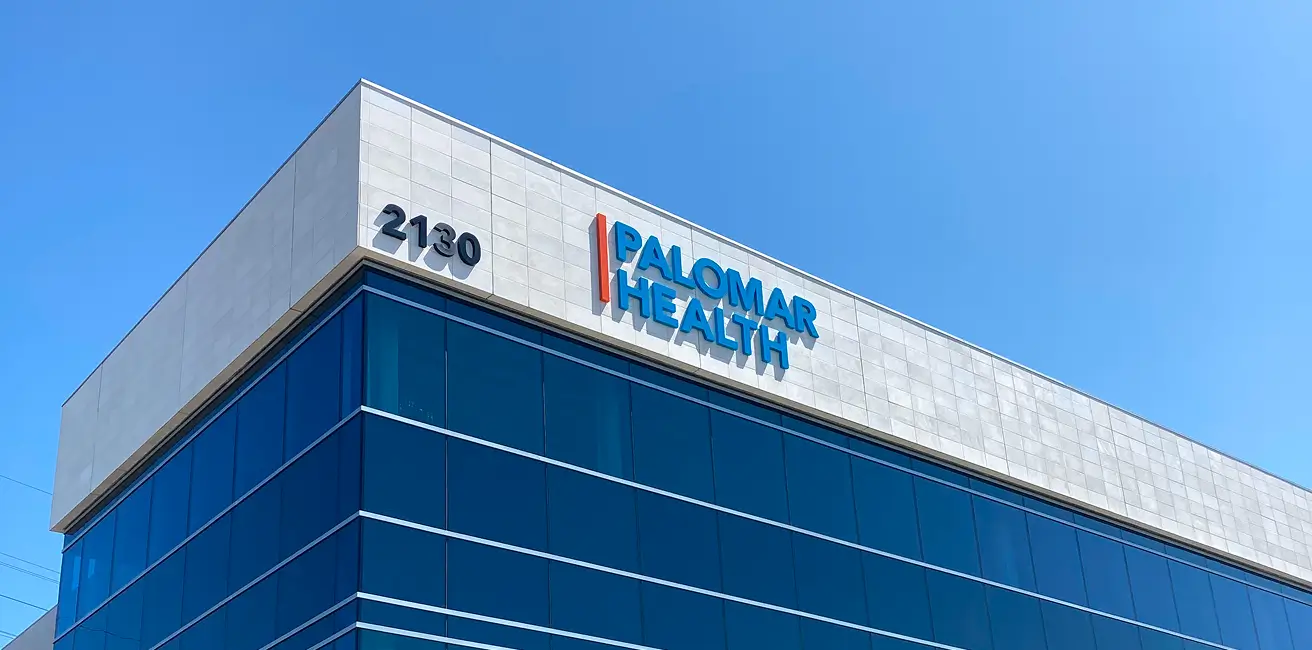
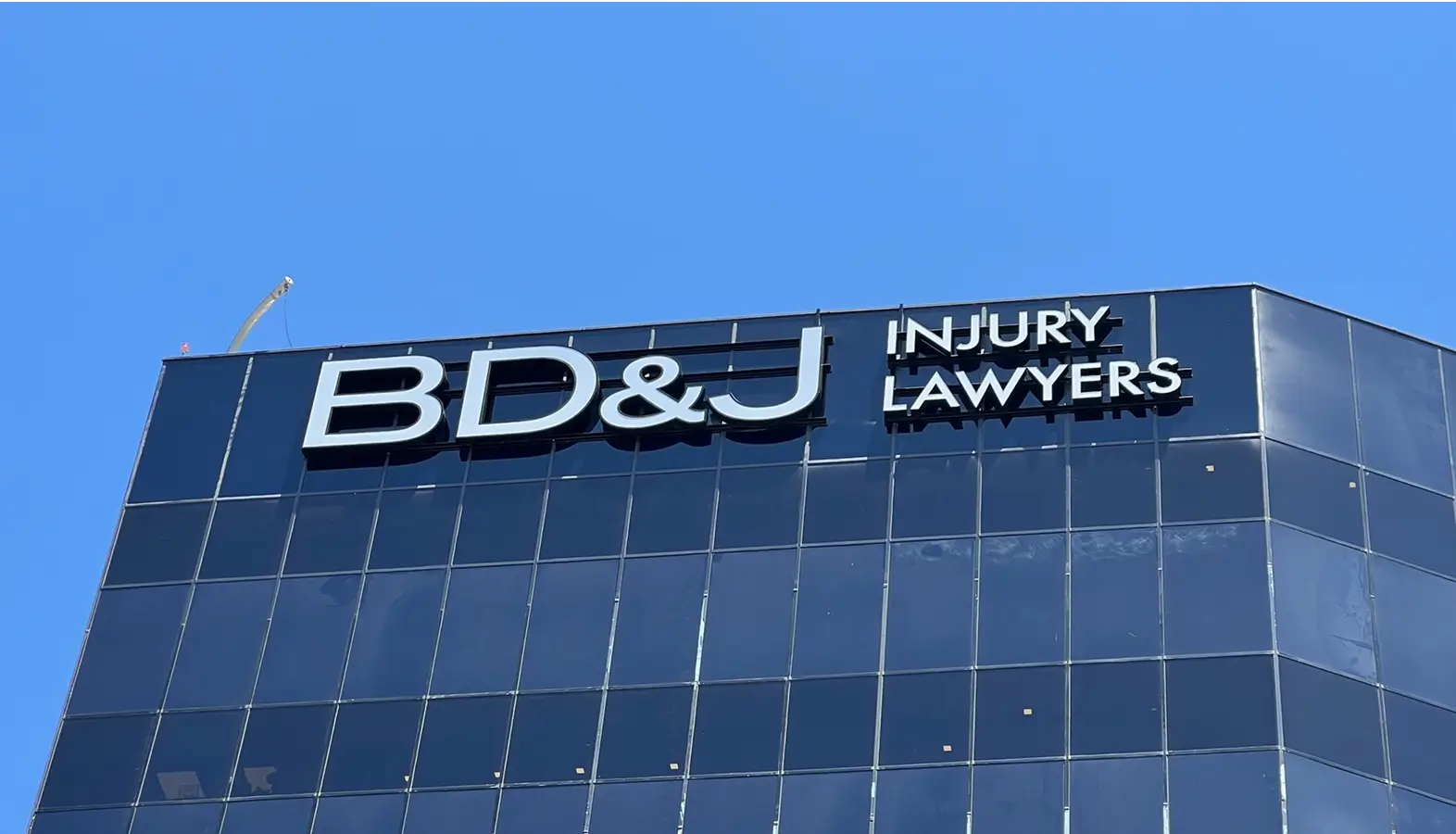
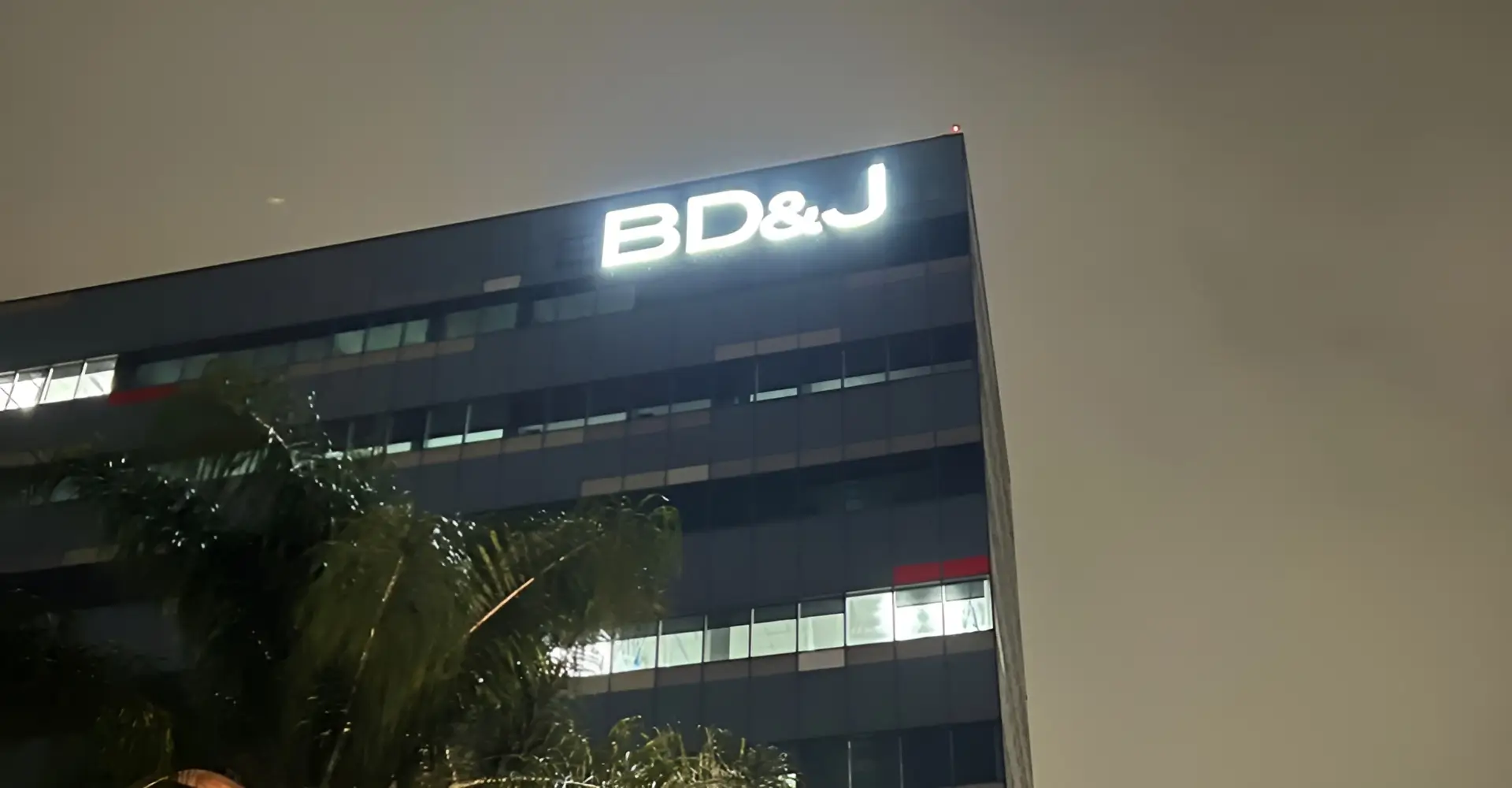
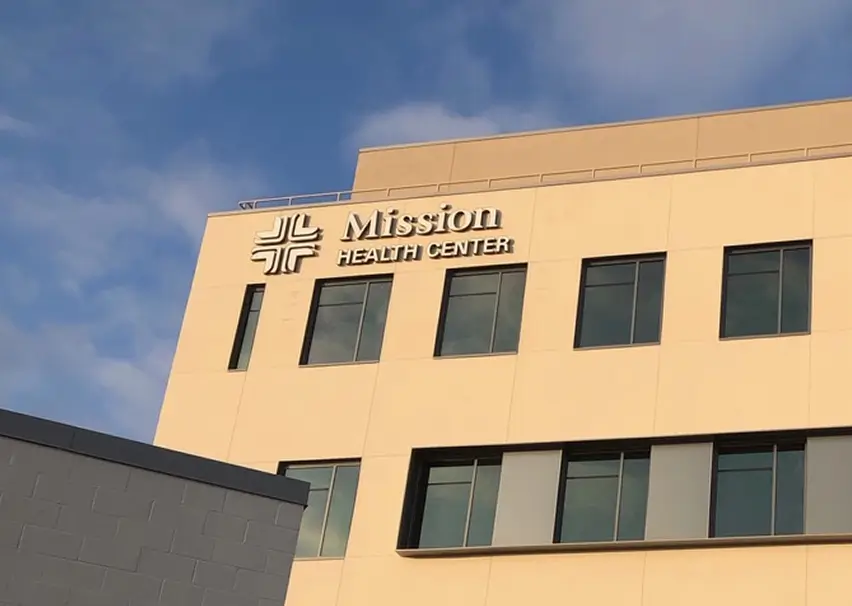
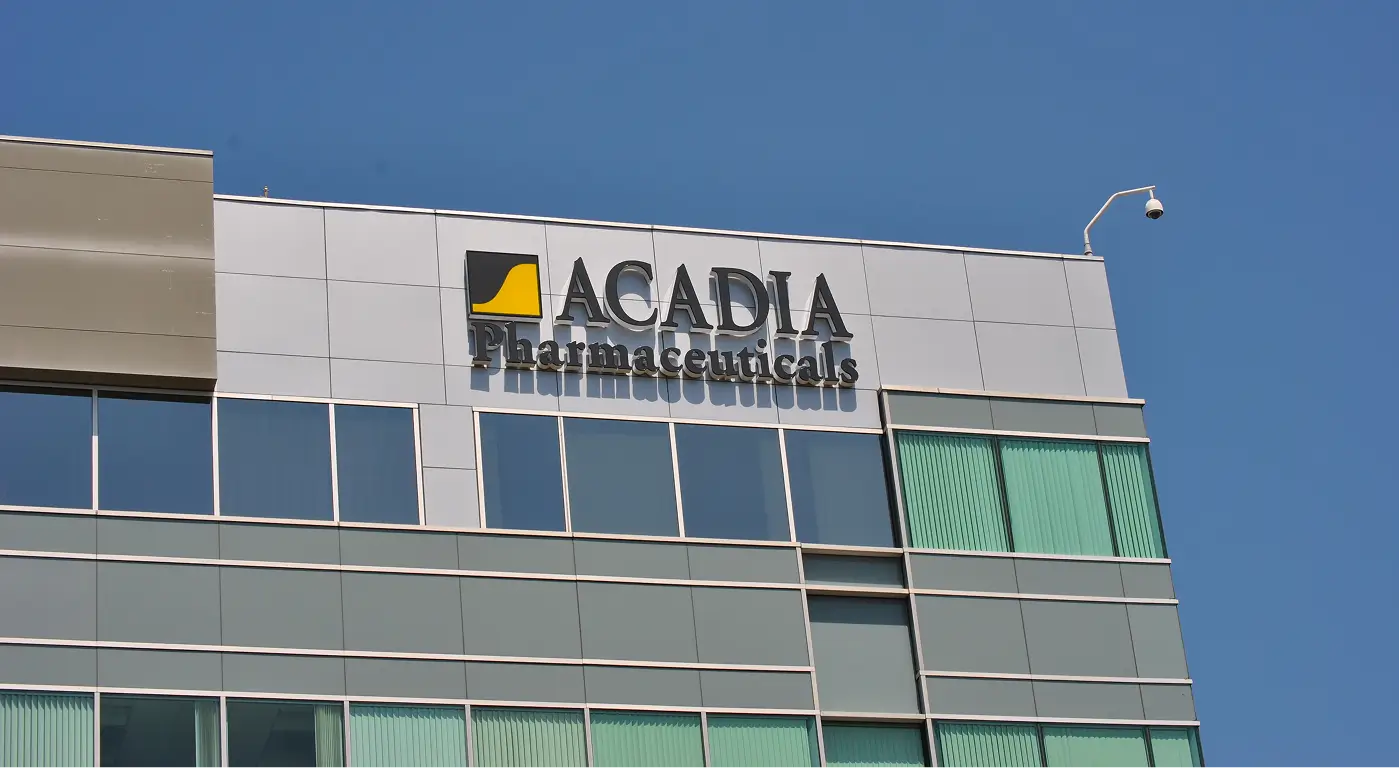
High rise building signs are large-format signs mounted to the upper elevations or rooflines of multi-story structures.
They are designed to be visible from long distances and often serve as the primary identification for a building or brand.
These signs may include channel letters, cabinet signs, logo marks, or integrated architectural signage systems.
Regardless of format, their placement introduces unique challenges that do not exist at ground level.
Structural attachment, wind exposure, access constraints, and public safety considerations all influence how these signs
are designed and installed. Because of this complexity, high rise signage must be approached as an engineered system,
not a decorative add-on.
Structural engineering is foundational to every high rise sign project.
The sign must be securely attached to the building’s structural elements—not just exterior cladding or façade materials.
Engineers evaluate the building’s construction type, including concrete decks, steel framing, and curtain wall systems,
to determine appropriate anchoring methods. Load paths must be clearly defined so forces transfer safely into the structure.
In many cases, custom steel subframes are fabricated to distribute loads across multiple attachment points.
These frames are designed to minimize stress concentrations and allow for controlled movement under wind loads.
Engineered drawings and calculations are often required for permit approval and liability protection,
ensuring the sign complies with building codes and structural standards.
Wind load is one of the most critical factors in high rise sign design.
Wind speeds increase significantly with height, creating forces far greater than those experienced at street level.
Engineers calculate both positive and negative pressures acting on the sign face, returns, and mounting structure.
Turbulence, corner vortices, and building-induced wind acceleration are all considered in these calculations.
Sign geometry also matters. Solid cabinet signs, open channel letters, and logo shapes each respond differently to wind.
Designs may be modified to reduce surface area or allow wind to pass through where appropriate.
Proper wind load analysis protects not only the sign itself, but the building, pedestrians below,
and the long-term integrity of the installation.
Installing signage at high elevations requires specialized crane operations and detailed logistical planning.
Lift capacity, reach, wind conditions, and street access all influence crane selection and scheduling.
Installation often occurs during off-peak hours to minimize disruption to traffic and building operations.
Street closures, permits, and coordination with local authorities are typically required.
Sign components are usually pre-assembled in sections to reduce time spent working at height.
Rigging plans ensure safe lifting, positioning, and attachment of each component.
Experienced crews and clear communication between crane operators, installers, and site management
are essential for a safe and efficient installation.
High rise signs may trigger aviation review requirements depending on building height, sign elevation,
and proximity to airports or flight paths.
In applicable cases, formal notification is submitted to the Federal Aviation Administration for review.
This process evaluates whether the structure poses a potential hazard to air navigation.
Lighting, reflectivity, and overall height may be regulated as part of this review.
Coordination early in the project helps prevent delays late in fabrication or installation.
Understanding when FAA notification is required—and how it fits into the permitting timeline—
is a critical component of high rise sign planning.
When Bubba Gump Shrimp Company brought its restaurant concept to the iconic Santa Monica Pier, the signage had to pull people in,
tell a story, and light up the boardwalk. The goal wasn’t just visibility—it was creating an unmistakable brand presence from every angle,
day or night, in one of the most photographed destinations in California.
ISF was brought in to bring that vision to life and handled everything signage-related, from compliance and permits to fabrication
and installation. The pier environment adds complexity—coastal exposure, heavy foot traffic, and strict aesthetic expectations—
so the signage system needed to feel authentic, durable, and “at home” in the boardwalk atmosphere.
The primary exterior statement was a large illuminated marquee featuring a vibrant red Bubba Gump logotype paired with bright white
“Shrimp Company” channel letters. The edge canopy—fully rimmed with warm bulb lights—added a classic carnival feel that fits perfectly
into the pier’s nostalgic aesthetic and draws attention from both directions along the walkway.
The marquee was engineered and fabricated to deliver high impact without compromising code compliance. Mounting, electrical routing,
and illumination characteristics were planned to meet local requirements while maintaining consistent legibility and a clean nighttime glow.
We designed and fabricated multiple neon logo signs for both the interior and front-facing windows. These glowing shrimp faces became
instant photo stops—amplifying the brand and giving the storefront energy long after dark when the boardwalk becomes a nightlife destination.
Neon was chosen intentionally to create warmth, motion, and nostalgia. Modern build practices supported electrical safety and reliability,
which is especially important in a coastal setting where moisture and salt air demand careful material and sealing choices.
Carved, 3D-painted Bubba Gump circular logos were installed at strategic exterior points. These dimensional elements reinforced brand
recognition and added texture and authenticity to the steel walls, giving visitors a tactile, “built-in” sense of craft rather than flat decoration.
The dimensional components helped layer the storefront experience—pairing bold illumination with physical depth—so the branding remained
visually interesting in daylight as well as at night.
Inside the retail shop, additional branded neon signs were placed to anchor the gift counter and merchandise areas. This ensured fans of
the restaurant had a visual connection to the brand at every turn, reinforcing the experience from the moment they enter through checkout.
The interior signage also strengthened wayfinding and created “moments” inside the store—helping the retail area feel like an extension of
the restaurant story rather than a separate add-on space.
The Santa Monica Pier gets millions of visitors a year, and first impressions happen fast. Bubba Gump’s team knew that getting signage right
was make-or-break: it had to stand out in a visually loud environment while still feeling like part of the pier’s culture.
From compliance and permits to fabrication and installation, ISF kept the project smooth, collaborative, and deadline-driven.
When the lights flipped on, the results spoke for themselves—creating a landmark storefront presence that draws attention,
supports brand storytelling, and keeps working after dark.
“This was a piece of culture that had to live up to the legacy. We were proud to have helped bring it to life.”
— Aaron Clippinger, Director of ISF
Your sign is your first impression. Let’s make sure it gets approved, built, and installed without surprises.